
So you’re missing a tooth. Maybe it’s in the back where no one can see it. Maybe it’s been gone for years and you’ve just learned to chew on the other side. It doesn’t hurt. It’s not bothering you. So why bother replacing it, right?
Your mouth is a system. Every single part of that system works together. When one piece goes missing, the rest of the system shifts. And not in a good way.
Your Teeth Are Meant to Touch
Healthy teeth touch their neighbors. They support each other. When a tooth is lost, the teeth on either side start leaning into that empty space. Over time, they drift. Your bite changes. Food starts getting trapped in places it never used to.
The tooth above the gap is in trouble too. With nothing to bite against, it starts creeping downward. Dentists call this supereruption. Eventually that tooth becomes looser in its socket and harder to keep clean.
One missing tooth can throw off your entire bite. And once your bite changes, other problems follow:
- Jaw pain
- Headaches
- Worn down teeth
- Chipped teeth
- TMJ issues
Your Jawbone Needs Exercise
Your teeth don’t just sit in your jawbone like fence posts. They stimulate the bone every time you chew. That stimulation tells your body to keep the bone strong and dense. Remove a tooth and that stimulation stops. Your body figures you don’t need that bone anymore and starts reabsorbing it. Within the first year after losing a tooth, you can lose 25 percent of the bone width in that spot. That loss just keeps going over time.
This matters for two reasons. First, bone loss changes the shape of your face. Your jaw shrinks. Your cheeks look more hollow and your chin rotates forward. People end up looking older than they are simply from missing teeth. Second, bone loss makes replacing the tooth later much harder. Dental implants need enough bone to hold them. Once the bone is gone, you might need a bone graft before you can even consider an implant.
The Domino Effect of One Missing Tooth
One gap leads to another. With teeth shifting and bone shrinking, nearby teeth become harder to keep clean. They get more cavities. They develop gum disease. Eventually those teeth can fail too. What started as one missing tooth becomes two. Then three. It’s a slow process. It happens over years. But it’s remarkably predictable.
Your Options for Replacement
Dental implants are the gold standard. A small titanium post goes into your jawbone, then a crown on top. Implants stop bone loss because they stimulate the bone just like a natural root does. They don’t affect nearby teeth and can last decades with good care.
Fixed bridges use the teeth on either side of the gap as anchors. Those two teeth get shaved down and capped, with a fake tooth suspended between them. Bridges work well but require drilling on perfectly healthy teeth.
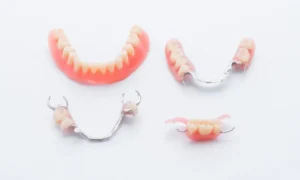
Partial dentures are removable. They clip onto your remaining teeth. They’re usually the most affordable option, but they don’t stop bone loss and can feel bulky or unstable.
Don’t Wait Too Long
The best time to replace a missing tooth is as soon as it’s gone. The second best time is now. Every month you wait, your teeth shift a little more. Your bone shrinks a little more. And the replacement gets a little harder and sometimes more expensive.
You don’t have to live with a gap. You don’t have to get used to chewing on one side. And you definitely don’t have to wait until other teeth start failing to do something about it.
Ready to close that gap? Request a consultation at our Monroe office. Dr. Hess will walk you through your options and help you choose what fits your smile, your budget, and your life.