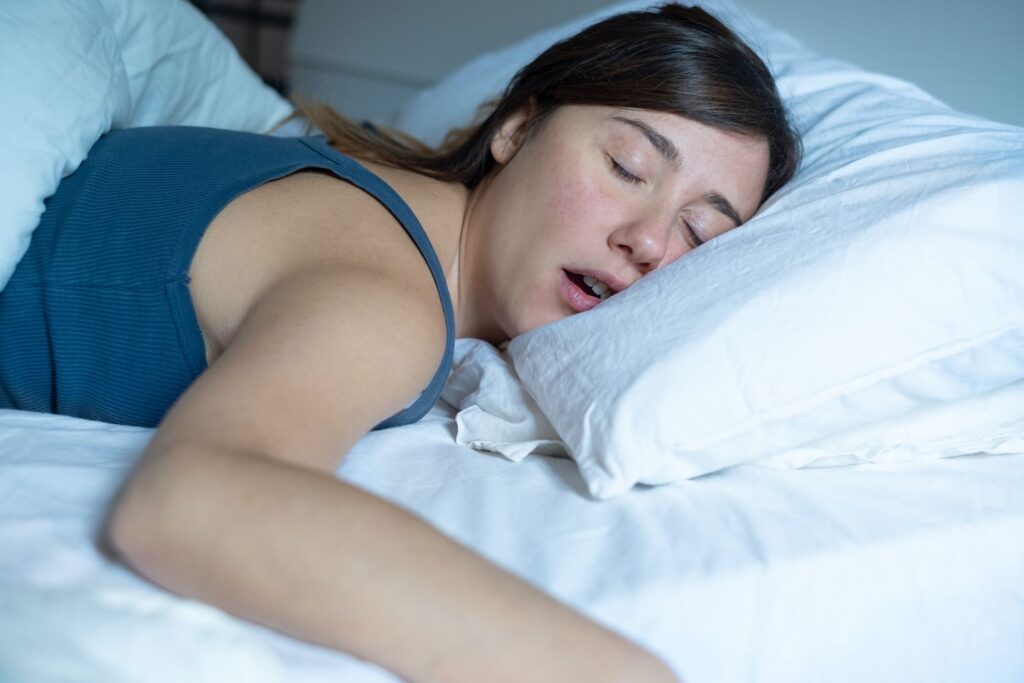
Sleep apnea affects millions of people and often goes undiagnosed for years. Many associate treatment solely with medical doctors or sleep specialists, but a surprising and increasingly common source of help is your dentist. Dental professionals who specialize in airway health can play a crucial role in identifying symptoms and offering effective treatment options. Understanding how dentistry and sleep medicine overlap can open the door to better sleep, improved health, and a higher quality of life.
Understanding Sleep Apnea
Sleep apnea is a disorder where breathing repeatedly stops and starts during sleep. The most common form, obstructive sleep apnea (OSA), occurs when the muscles at the back of the throat relax too much, causing the airway to become blocked. Symptoms often include loud snoring, daytime fatigue, morning headaches, difficulty concentrating, and waking up gasping or choking. Left untreated, OSA can contribute to high blood pressure, heart disease, diabetes, depression, and even accidents caused by fatigue. Because apnea episodes happen while you’re unconscious, many people have no idea they suffer from them. This is where dental professionals often come into the picture.
Why Your Dentist May Spot It First
Dentists spend more time examining the oral cavity, jaw, and airway than nearly any other healthcare provider. During routine checkups, they may notice signs that point toward sleep-disordered breathing. These signs can include worn-down teeth caused by grinding, a scalloped tongue, enlarged tonsils, a narrow dental arch, or chronic dry mouth resulting from mouth breathing.
Since dentists see patients regularly, they are in a unique position to identify patterns or changes that may signal sleep apnea. Many modern dental practices also screen for airway issues as part of preventive care. If your dentist suspects a problem, they may ask questions about your sleep habits, snoring, or daytime fatigue, and can refer you for a professional sleep study to confirm a diagnosis.
The Role of Oral Appliance Therapy
While CPAP machines have long been considered the gold standard for treating sleep apnea, they are not the only option. For patients with mild to moderate obstructive sleep apnea, dentists trained in sleep medicine can provide oral appliance therapy. These custom-made devices fit in the mouth like a retainer and gently reposition the jaw or tongue to help keep the airway open during sleep.
Oral appliances are small, quiet, portable, and easy to care for. Many people prefer them over CPAP masks because they do not involve hoses, noise, or a power supply. When fabricated and adjusted by a qualified dentist, these appliances can significantly reduce snoring and sleep apnea symptoms. Follow-up visits help ensure proper fit, comfort, and effectiveness.
Collaborative Care for Better Results
Dentists who treat sleep apnea do not work in isolation. They collaborate closely with sleep physicians, primary care providers, and sometimes ENT specialists. A properly diagnosed case of sleep apnea begins with a sleep study, and dentists rely on these results to determine whether an oral appliance is appropriate. If the appliance is recommended, the dentist constructs a custom device, monitors progress, and makes adjustments as needed.
This team-based approach ensures that patients receive comprehensive care, with each provider contributing their expertise. Whether the best treatment involves CPAP, an oral appliance, weight management, surgery, or a combination of methods, coordinated care often leads to more effective outcomes.
Sleep Apnea Treatment in Monroe, NC
If you suffer from snoring or other sleep apnea symptoms, Dr. Leonard Hess is here to help. He offers oral appliance therapy that could reduce apnea episodes and improve your overall health. Contact his office today to schedule a consultation and learn more about your treatment options for better sleep.