
Your jaw is something you probably don’t think about until it starts causing problems. The temporomandibular joint (TMJ) connects your jawbone to your skull. It plays a vital role in speaking, chewing, and even facial expressions. When this joint isn’t functioning properly, it can lead to a range of uncomfortable and sometimes debilitating symptoms. Temporomandibular joint disorder, or TMD, affects millions of people, often without them realizing the root cause of their discomfort. Recognizing the early signs you may need TMJ treatment is the first step toward relief.
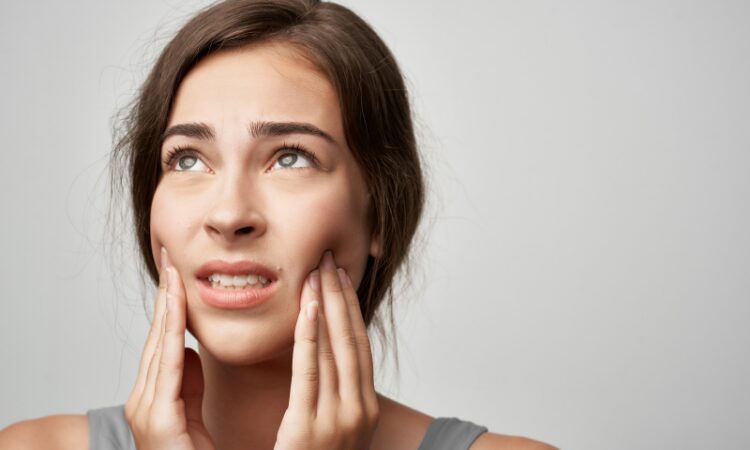
Jaw Pain or Tenderness
One of the most common signs of TMJ disorder is persistent pain or tenderness in the jaw. This discomfort may be localized on one or both sides of the face and can worsen with chewing, talking, or yawning. Many people initially dismiss this pain as a minor annoyance. However, if it continues or intensifies over time, it may be more than just a sore jaw. It could be a sign that your TMJ is inflamed or misaligned.
Clicking, Popping, or Grinding Sounds
While occasional clicking in the jaw isn’t necessarily cause for concern, frequent or loud noises when you open or close your mouth could indicate TMJ dysfunction. These sounds may occur due to a displaced disc within the joint or abnormal movement of the jawbone. In some cases, clicking or popping may be accompanied by pain or a sensation that your jaw is locking or catching. This can interfere with normal jaw function.
Limited Range of Motion
If you’re struggling to open your mouth fully or move your jaw smoothly, it may be time to see a specialist. TMJ disorders can limit your ability to move your jaw without discomfort. In severe cases, the joint may even lock in an open or closed position. This kind of limitation can affect your ability to eat, speak, and maintain oral hygiene, making treatment not just a matter of comfort but also necessity.
Headaches and Ear Pain
Many people are surprised to learn that their frequent headaches or unexplained earaches could be related to TMJ issues. Because the TMJ is located near the ears and shares some of the same nerve pathways, dysfunction in this joint can cause referred pain. If your headaches are focused around the temples or you experience a dull ache near your ears without signs of an ear infection, TMJ problems may be the underlying cause.
Facial Muscle Tension and Fatigue
Tightness in the face, especially around the cheeks and jawline, is another common symptom. You might notice that your facial muscles feel sore or tired, particularly at the end of the day. This may be due to clenching your jaw, either during waking hours or while you sleep. Chronic clenching and grinding (also known as bruxism) not only strain your muscles but can also wear down your teeth and exacerbate TMJ symptoms.
Changes in Your Bite
If your teeth no longer come together the way they used to, or you notice a sudden shift in how your bite feels, TMJ dysfunction could be to blame. The joint’s instability can affect your overall dental alignment, sometimes leading to uneven wear on your teeth, difficulty chewing, or even speech changes.
TMJ Treatment in Monroe, NC
If you suffer with frequent jaw pain or discomfort, Dr. Leonard Hess is here to help. He offers a range of restorative treatment options that could improve your bite and quality of life. Contact his office today to schedule a consultation and learn more about TMJ treatment.